2026-10-24 ·
Protecting Brick Walls From Milwaukie Winter Moisture
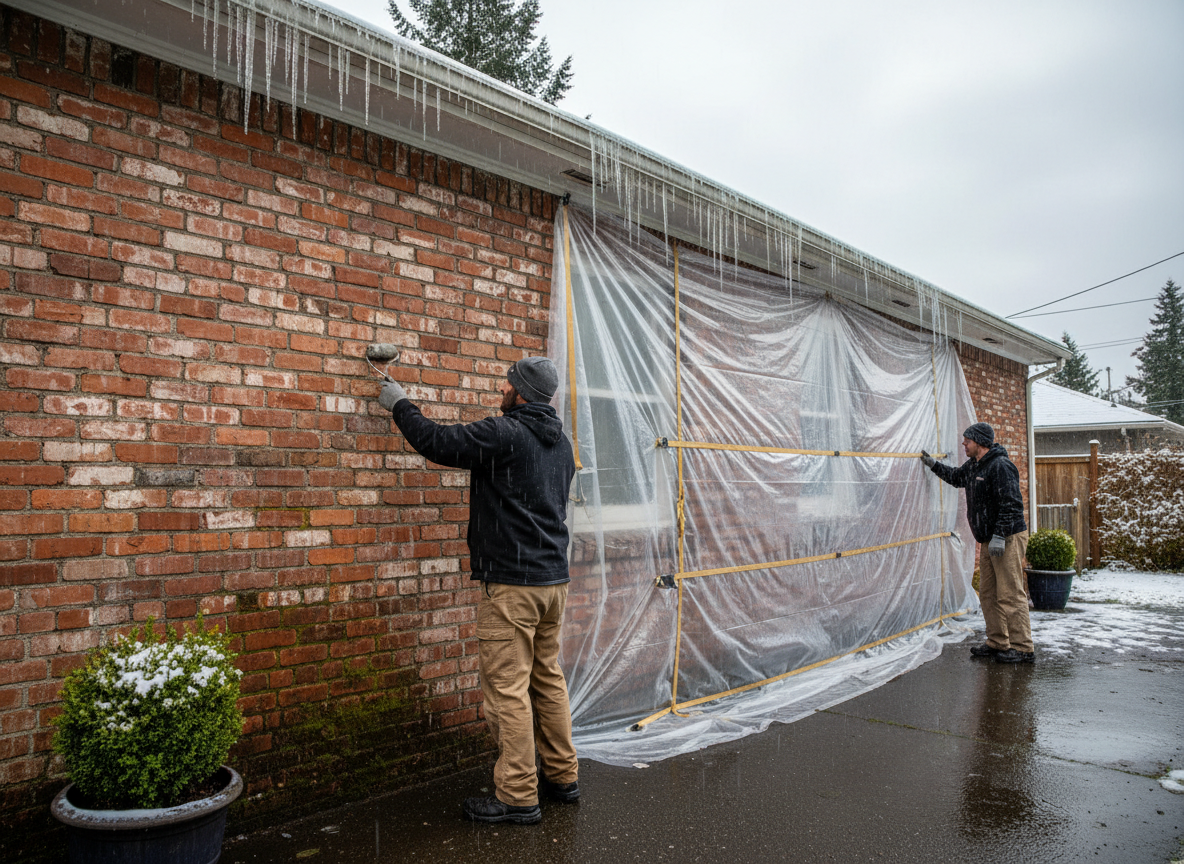
Milwaukie brick walls need annual inspections and targeted waterproofing before the first heavy rains arrive in late fall to prevent water from penetrating mortar joints and causing spalling through repeated freeze-thaw cycles.
How Milwaukie Winters Drive Moisture Into Brick
Milwaukie experiences mild wet winters with frequent rain that keeps brick surfaces saturated for weeks at a time. Homes in Downtown Milwaukie, Ardenwald, and Island Station often date from the early to mid-1900s and use softer brick and lime mortar that absorbs water more readily than modern materials. Proximity to the Willamette River raises local humidity and groundwater levels, so moisture migrates upward through foundations and into lower wall courses. Warm dry summers allow some drying, yet the repeated wetting and drying stresses joints and creates hairline cracks that widen each winter. These conditions differ from inland areas and require protection focused on keeping surfaces dry rather than relying on natural evaporation.
Identifying Early Signs of Moisture Damage
Walk the perimeter of brick walls after several days of rain and look for dark staining at the base, white efflorescence on the face, or mortar that crumbles when scraped with a key. In Hector Campbell and areas near Milwaukie Riverfront Park, walls shaded by mature trees stay damp longer and show moss growth along the lower three feet. Check window sills and door lintels where water pools; missing or cracked flashing here lets rain run behind the brick and saturate the backup wall. Document any soft spots with photos taken on the same day each month so changes become obvious before major repairs are needed.
Waterproofing Steps That Work in Clackamas County
Apply a breathable silane or siloxane sealer to clean, dry brick in early October when temperatures stay above 50 degrees for 48 hours. Focus on the lower four feet of walls where splash-back from driveways and sidewalks is heaviest. Re-point deteriorated mortar joints first using a lime-based mix that matches the original, then seal the entire surface so water beads rather than soaks in. Homeowners in neighborhoods bordering Portland often combine this with improved grading so soil slopes away from the foundation at least six inches over the first six feet. These steps reduce interior humidity and extend the life of the brick without trapping moisture inside the wall assembly.
Ongoing Maintenance for Long-Term Protection
Remove leaves and debris from wall tops and weep holes every two weeks during fall to keep drainage paths clear. Trim vegetation so it stays at least twelve inches from the brick face, reducing both shade and root pressure on mortar. In spring, inspect for new cracks after the last freeze and address them before summer heat expands them further. Linking these checks with seasonal tasks around the Milwaukie Museum area helps residents remember the schedule. Consistent attention prevents small moisture issues from turning into full wall rebuilding projects.
When Professional Help Becomes Necessary
If more than ten percent of mortar joints show deterioration or bricks are flaking below the second story, contact a masonry contractor for evaluation. QuarryEdge Builders operates from 10824 SE Oak St, Milwaukie, OR 97222 and remains available 24/7 for assessments after major storms. Technicians can install through-wall flashing, repair coping stones, or apply commercial-grade coatings suited to local rainfall totals. For homes in nearby Clackamas, pairing waterproofing with masonry restoration restores both appearance and weather resistance. Readers can also review Choosing Stone That Holds Up in Oregon's Freeze-Thaw Cycles and Removing Moss From Stone Patios and Retaining Walls for related guidance on exterior masonry care.